16 years of experience in the warehousing equipment industry
A comprehensive enterprise integrating research and development, production, sales, and installation


WE MAKE RACKING PROFESSIONAL
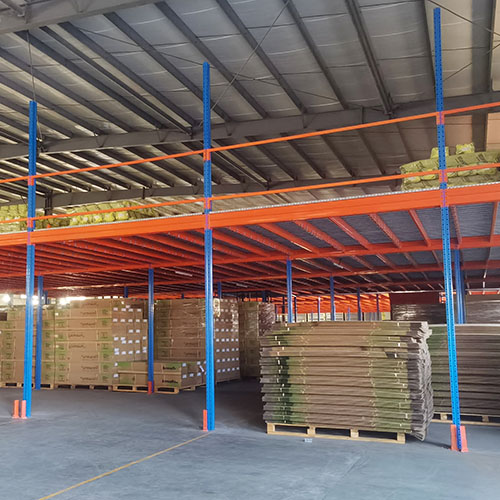
Specialize in heavy duty rack and mezzanine rack.
Heavy-Duty Racks: The Backbone of Efficient Warehouse Storage
What Are Heavy-Duty Racks?
Heavy-duty racks, also known as industrial-duty storage racks, are engineered to support significantly higher load capacities compared to standard storage racks. Typically constructed from high-grade steel—known for its durability, corrosion resistance, and structural integrity—these racks are designed to handle palletized loads ranging from 2,000 to 10,000+ pounds per shelf, depending on the configuration and design.
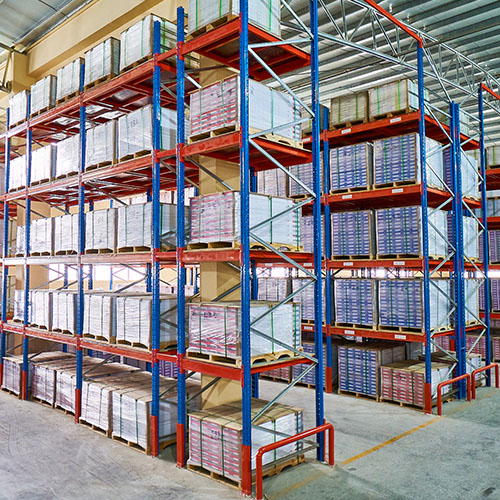
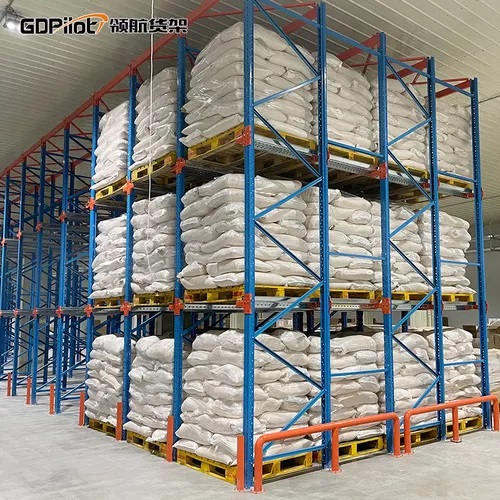
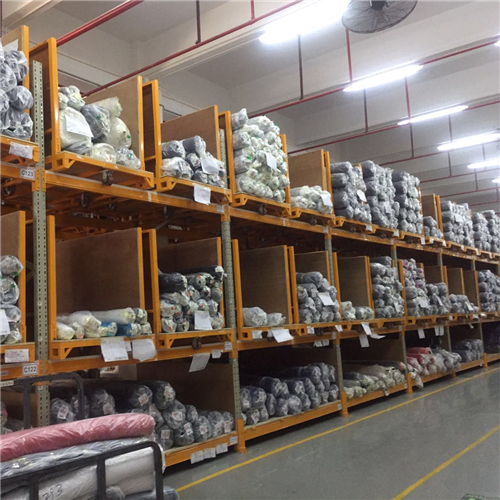
Unlike light or medium-duty racks, which are ideal for small parts or lightweight items, heavy-duty racks are built to accommodate the rigors of industrial environments. They come in various configurations, including selective racks (for easy access to each pallet), drive-in/drive-through racks (for high-density storage), push-back racks (for LIFO inventory management), and cantilever racks (for long, bulky items like pipes or lumber).
Key Benefits of Heavy-Duty Racks
1. Exceptional Load-Bearing Capacity
The primary advantage of heavy-duty racks is their ability to support heavy, bulky loads without compromising structural stability. This makes them ideal for industries such as manufacturing, construction, automotive, and retail, where storing large quantities of heavy items is a daily requirement. High-grade steel construction ensures that these racks can withstand constant use, forklift traffic, and heavy loads over extended periods.
2. Maximized Storage Space
Heavy-duty racks utilize vertical space efficiently, allowing businesses to store more items in less floor space. By stacking pallets or heavy items vertically, warehouses can significantly increase their storage capacity without expanding their physical footprint. This is particularly beneficial for facilities with limited space, as it helps reduce overhead costs associated with building expansions or additional storage facilities.
3. Enhanced Operational Efficiency
Well-designed heavy-duty rack systems improve warehouse workflow by providing easy access to stored items. Selective rack configurations, for example, allow forklifts to access any pallet directly, reducing picking and retrieval times. High-density options like drive-in/drive-through racks optimize space while streamlining inventory management, making them ideal for businesses with high-volume, fast-moving inventory.
4. Durability and Longevity
Constructed from premium materials and built to industrial standards, heavy-duty racks offer exceptional durability and longevity. They are resistant to wear and tear, corrosion, and damage from forklifts or heavy equipment, ensuring a long service life with minimal maintenance. This durability translates to a higher return on investment (ROI) for businesses, as they won’t need to replace racks frequently.
5. Customizability and Flexibility
Heavy-duty racks can be customized to meet the specific needs of a business. From adjustable shelf heights to custom widths and depths, these racks can be tailored to accommodate different load sizes, shapes, and weights. Additionally, many heavy-duty rack systems are modular, allowing businesses to expand or reconfigure the system as their storage needs grow or change.
Applications of Heavy-Duty Racks
Heavy-duty racks are versatile and find applications across a wide range of industries, including:
Manufacturing Facilities: Storing raw materials, work-in-progress (WIP) items, and finished goods such as machinery parts, metal sheets, and industrial components.
Warehouses and Distribution Centers: Palletized storage of consumer goods, electronics, appliances, and bulk items for efficient order fulfillment and distribution.
Construction Sites: Storing construction materials like steel beams, pipes, lumber, and heavy tools safely and securely.
Automotive Industry: Holding car parts, engines, tires, and other heavy automotive components in production and storage facilities.
Retail and Wholesale: High-volume storage of bulky retail items, such as furniture, appliances, and large product cartons.
Choosing the Right Heavy-Duty Racks for Your Business
When selecting heavy-duty racks, it’s essential to consider several factors to ensure they meet your specific needs:
Load Capacity: Determine the maximum weight of the items you’ll be storing to choose racks with the appropriate load-bearing capacity.
Storage Space: Evaluate your warehouse layout and available space to select the right rack configuration (selective, drive-in, cantilever, etc.) for optimal space utilization.
Inventory Management: Consider your inventory turnover rate and access requirements—selective racks for fast access, high-density racks for bulk storage.
Environmental Factors: If storing items in humid or corrosive environments, choose racks with corrosion-resistant finishes (e.g., powder coating, galvanization).
Customization Needs: Look for modular, adjustable racks that can be modified as your business grows or your storage needs change.
Conclusion
Heavy-duty racks are an indispensable investment for businesses that require reliable, high-capacity storage solutions. With their exceptional load-bearing capacity, space-saving design, and durability, these racks help optimize warehouse operations, reduce costs, and improve overall efficiency. Whether you’re running a manufacturing facility, a distribution center, or a retail warehouse, heavy-duty racks provide the structural support and flexibility you need to manage your inventory effectively.
Investing in high-quality heavy-duty racks is not just about storing items—it’s about building a more efficient, safe, and scalable warehouse operation. Choose the right heavy-duty rack system for your business, and experience the difference it can make in your daily operations and long-term success.