16 years of experience in the warehousing equipment industry
A comprehensive enterprise integrating research and development, production, sales, and installation


WE MAKE RACKING PROFESSIONAL
Specialize in heavy duty rack and mezzanine rack.
The Advantages of Customized Shelving: Meeting Personalized Storage Needs Across Diverse Scenarios
In fields such as warehousing and logistics, supermarket retail, and home organization, shelving serves as
a core storage and display solution, whose importance is self-evident. As market demands become increasingly refined,
standard off-the-shelf shelving struggles to satisfy the personalized requirements of different scenarios. Consequently,
customized shelving has emerged as a preferred choice for a growing number of enterprises and individuals,
thanks to its flexible adaptability and efficient space utilization.
I. Tailor-Made Design for Precise Adaptation to Scenario-Specific Requirements
Different application scenarios impose vastly distinct demands on shelving dimensions, load-bearing capacity, structure,
and functionality. Customized shelving breaks the limitations of standard models,
offering exclusive designs tailored to the unique characteristics of each specific scenario.
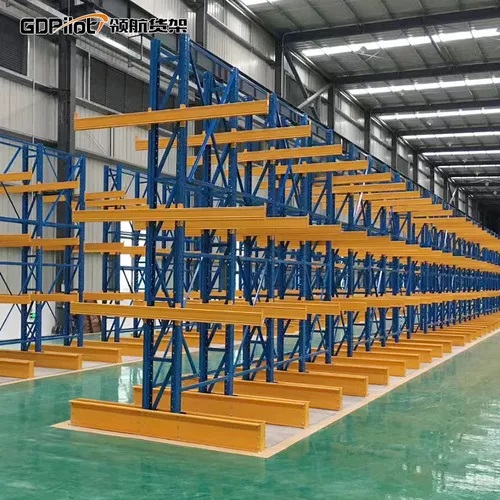
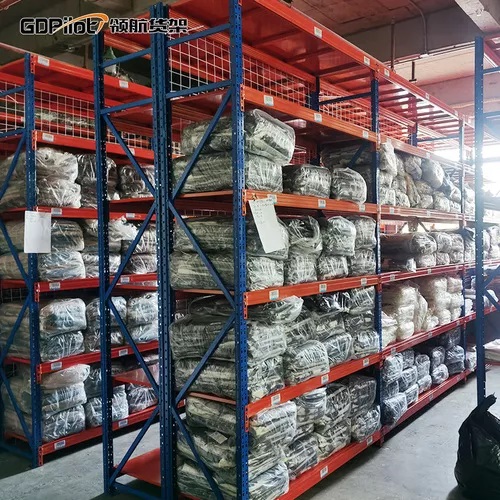
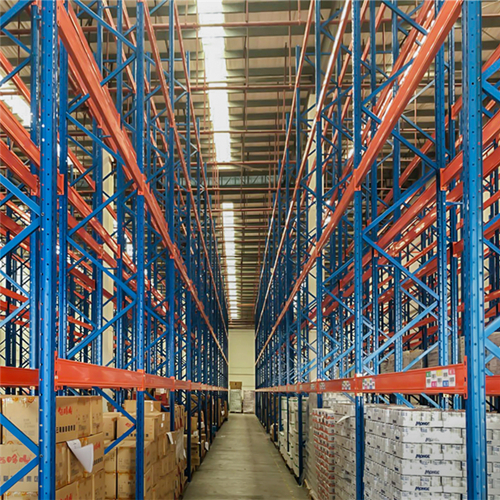
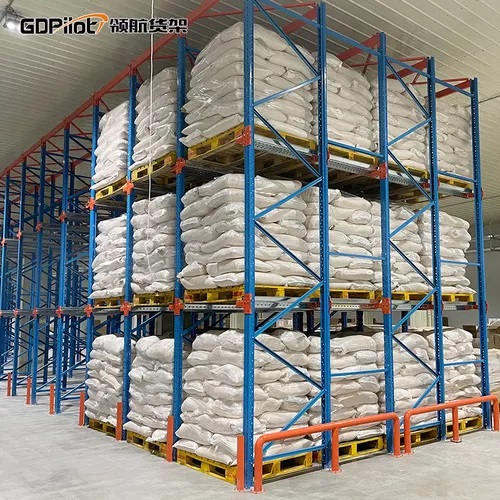
In the industrial warehousing sector, large factories and logistics warehouses need to store heavy machinery equipment
and bulk cargo containers. Customized shelving can be engineered to enhance load-bearing capacity,
incorporate high-level vertical structures, and reserve adequate access aisles compatible with forklift operations.
This approach maximizes the utilization of vertical warehouse space, enabling dense storage of goods.
For warehouses housing precision instruments and electronic components, customized shelving
can be equipped with dust-proof, moisture-proof, and anti-static modules to ensure the safe storage of sensitive items.
Within the supermarket retail environment, different product categories demand varying display effects.
Snack and beverage sections require multi-layer open shelving for easy customer access; jewelry and
accessory areas call for lockable glass display shelving that balances security and aesthetics;
fresh produce and fruit sections can benefit from customized shelving integrated with drainage troughs and
preservation lighting, extending product shelf life while enhancing visual appeal. Additionally, customized shelving
can be designed to fit wall contours and corner spaces, eliminating wasted floor area.
For home organization purposes, customized shelving seamlessly adapts to specific housing layouts.
Whether for organizing clutter on balconies, displaying books in living rooms, or storing condiments in kitchens,
shelving can be customized based on available space and user habits. For instance, small kitchen spaces
can utilize custom multi-layer narrow shelving to fully exploit vertical wall space; families with collections
can opt for customized display shelving equipped with spotlights to highlight their prized items.
II. Optimized Space Utilization to Reduce Storage and Operational Costs
Space represents a valuable resource, particularly in prime urban commercial districts and large industrial parks.
Standard shelving often fails to fully fit the available space due to fixed dimensions, resulting in significant space wastage.
Customized shelving solutions begin with on-site measurements of the venue. Combined with an analysis of
goods storage methods and access frequency, a scientific structural design is developed. Vertically,
shelving can be constructed to match warehouse ceiling heights, substantially increasing storage density per unit area.
Horizontally, built-in shelving can be installed to utilize wall recesses and around structural columns,
transforming previously unused corner spaces into functional storage areas.
For enterprises, improved space utilization means the ability to store more goods or display more products
within the same floor area, eliminating the need for additional venue rentals and effectively reducing warehousing
and operational costs. For individual households, customized shelving creates a more organized and tidy living environment,
minimizing item damage and space waste caused by clutter.
III. Enhanced Brand Image and User Experience
In an era of intensifying commercial competition, shelving functions not only as a storage and display tool but also
as a vital carrier of brand image. Customized shelving can incorporate corporate brand elements such as logos,
exclusive color schemes, and corporate culture slogans, turning shelving into an extension of brand promotion efforts.
When customers enter a store equipped with customized shelving, the neat, attractive, and distinctive layout
immediately captures attention, enhances the visual presentation of products, and ultimately stimulates customer purchasing desire.
Meanwhile, well-designed shelving layouts optimize shopping flow, allowing customers to locate desired products
more conveniently and improving overall shopping experience.
In industrial settings, the standardized layout of customized shelving also boosts enterprise management efficiency.
Clear classification of goods and convenient access methods reduce employee operational time, lower error rates
in goods sorting and handling processes, and showcase the enterprise's professional management standards.
IV. Flexible Adjustment to Adapt to Changing Needs
Market demands and enterprise development strategies are not static. As business expands, the types and
storage volumes of goods may change. Standard shelving lacks the flexibility to accommodate such adjustments,
and replacing shelving incurs substantial costs.
Customized shelving can be designed with built-in adjustment margins, such as adopting a detachable and modular structure.
When future requirements change, only minor local adjustments or the addition of accessories are needed
to meet new storage demands. This flexibility not only extends the service life of the shelving but also saves enterprises
from the high costs associated with subsequent equipment upgrades.
Conclusion
The core advantage of customized shelving lies in its personalization. It can accurately meet the unique needs of different scenarios,
achieve efficient space utilization, and deliver superior user experiences and enhanced brand value for both enterprises and individuals.
Looking ahead, as market demands continue to diversify, customized shelving is poised to play an increasingly
important role in more sectors, driving the upgrading and development of the storage and display industry.