16 years of experience in the warehousing equipment industry
A comprehensive enterprise integrating research and development, production, sales, and installation


WE MAKE RACKING PROFESSIONAL
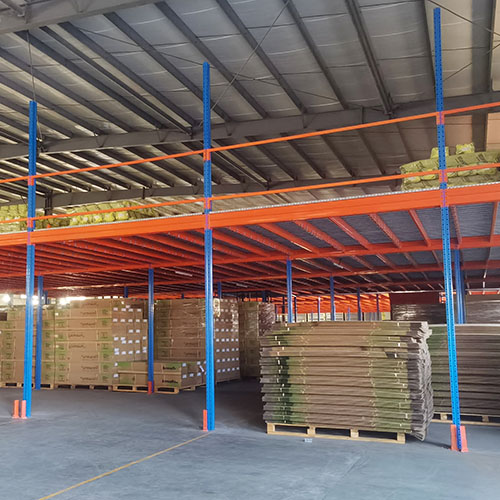
Specialize in heavy duty rack and mezzanine rack.
The Benefits of Racks for Warehouses
In the dynamic world of supply chain and logistics, warehouses serve as the backbone of efficient inventory management
and order fulfillment. Among the numerous tools and equipment that contribute to a warehouse’s productivity,
storage racks stand out as a fundamental investment. Far beyond mere shelving, warehouse racks offer a multitude of advantages
that streamline operations, maximize space utilization, and enhance overall profitability.
This article delves into the key benefits that racks bring to modern warehouses.
1. Maximize Vertical Space Utilization
One of the most significant benefits of warehouse racks is their ability to leverage vertical space. Traditional storage methods often limit
businesses to floor-level storage, leaving vast amounts of overhead space unused. Racks, however, allow warehouses
to stack inventory vertically, effectively multiplying the available storage capacity without the need for expensive facility expansions.
This is particularly crucial for warehouses located in urban areas where real estate costs are high. By utilizing vertical space,
businesses can store more goods in the same footprint, reducing the need for additional warehouse space
and lowering rental or construction expenses.
2. Improve Inventory Organization and Accessibility
Well-designed racking systems promote better inventory organization, which is essential for efficient warehouse operations.
Racks enable businesses to categorize and segregate different types of products, making it easier for warehouse staff
to locate and retrieve items quickly. This organized approach minimizes the time spent searching for goods, reduces picking errors,
and speeds up order fulfillment processes. Additionally, many racking systems, such as selective pallet racks,
allow for direct access to each pallet, eliminating the need to move multiple items to reach the desired product.
This accessibility not only improves operational efficiency but also enhances customer satisfaction by ensuring timely order delivery.
3. Enhance Workplace Safety
Safety is a top priority in any warehouse environment, and racks play a vital role in creating a safer workplace.
Properly installed racking systems keep inventory off the floor, reducing the risk of trips, slips, and falls caused by scattered goods.
They also prevent items from being stacked haphazardly, which can lead to unstable piles that collapse and cause injuries.
Many modern racks are designed to withstand heavy loads and are equipped with safety features such as beam locks, safety pins,
and load capacity labels, ensuring that they can safely support the weight of stored items. Furthermore, organized storage through
racks improves visibility in the warehouse, allowing staff and equipment operators to navigate more easily and avoid collisions.
4. Optimize Inventory Management and Control
Racks facilitate better inventory management and control by providing a structured storage environment that integrates seamlessly
with inventory tracking systems. When products are stored in designated rack locations,
it becomes easier to implement barcode scanning,
RFID technology, or other inventory management tools. This allows businesses to accurately track stock levels,
monitor product movement, and identify slow-moving or obsolete items. Real-time inventory visibility helps prevent stockouts
and overstocking, reducing carrying costs and improving cash flow. Additionally, organized storage makes regular
inventory counts faster and more accurate, minimizing discrepancies between physical inventory and recorded stock levels.
5. Increase Operational Flexibility
Modern warehouse racking systems are highly versatile and can be customized to meet the specific needs of different businesses.
Whether storing small parts, large pallets, fragile items, or temperature-sensitive goods, there is a racking solution available
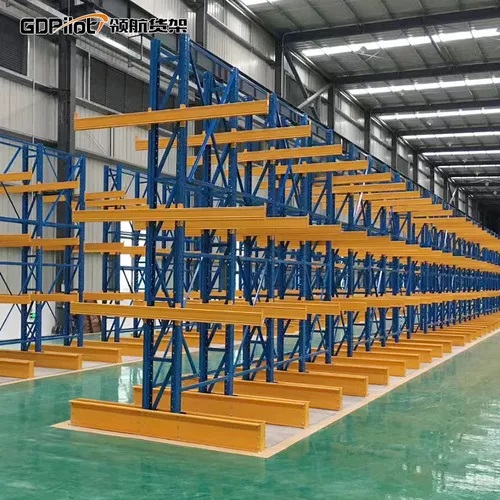
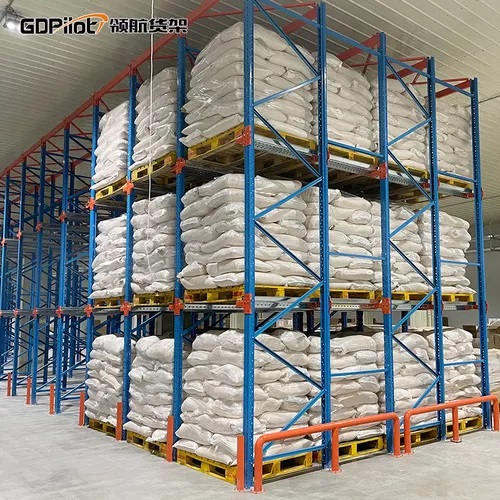
(e.g., drive-in racks, cantilever racks, mezzanine racks). Many rack systems are also modular, allowing businesses to expand
or reconfigure them as their storage needs change. This flexibility is particularly beneficial for growing businesses
or those with seasonal inventory fluctuations, as it enables them to adapt their warehouse layout
without significant downtime or additional investments.
6. Reduce Damage to Inventory
Improper storage is a major cause of inventory damage, which can result in significant financial losses.
Warehouse racks provide stable and secure storage for goods, reducing the risk of damage caused by stacking, shifting,
or falling. For example, pallet racks keep pallets elevated and stable, preventing crushing or warping of products.
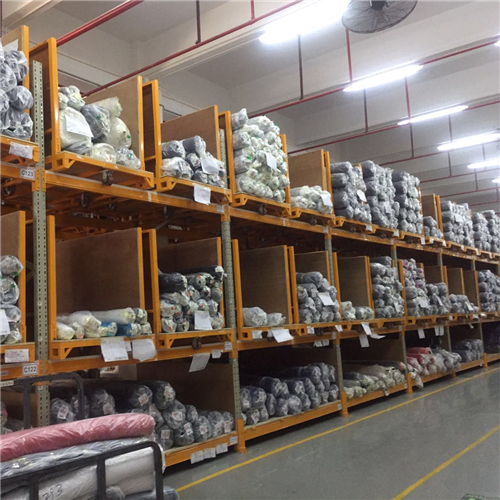
Specialized racks, such as those with dividers or shelves, offer additional protection for small or fragile items.
By minimizing inventory damage, businesses can reduce waste, lower replacement costs,
and maintain the quality of their products, which is crucial for preserving customer trust.
Conclusion
In conclusion, warehouse racks are an indispensable asset for modern logistics operations.
From maximizing vertical space and improving inventory organization to enhancing safety and operational flexibility,
the benefits of racks extend far beyond basic storage. By investing in the right racking system,
businesses can streamline their warehouse operations, reduce costs, and gain a competitive edge in the fast-paced
world of supply chain management. Whether you operate a small distribution center or a large-scale warehouse,
the right racking solution can transform your storage capabilities and drive long-term success.