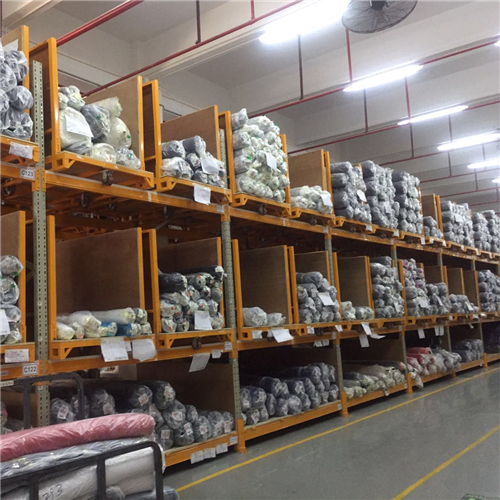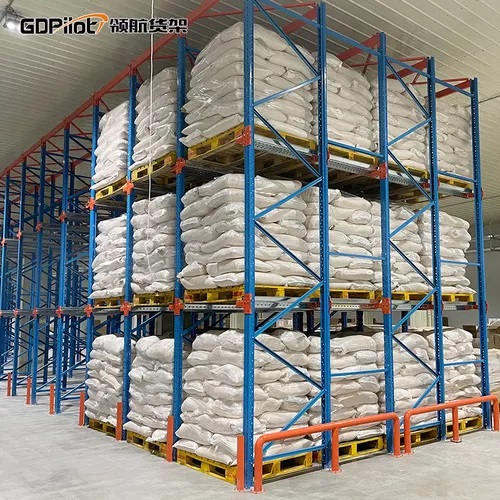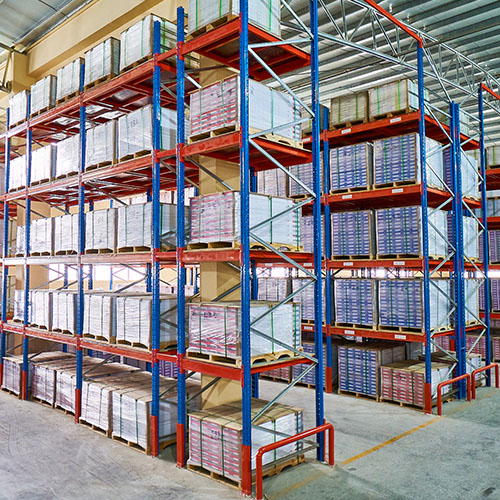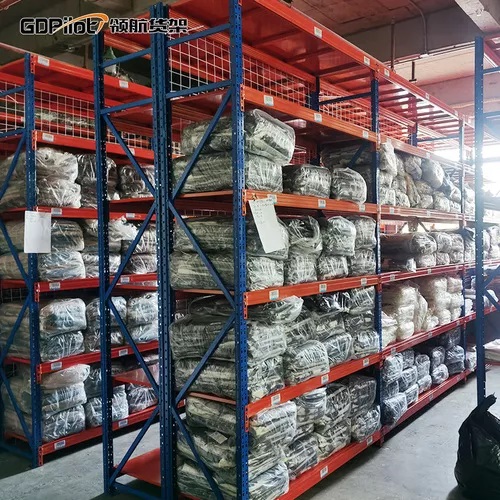
16 years of experience in the warehousing equipment industry
A comprehensive enterprise integrating research and development, production, sales, and installation


WE MAKE RACKING PROFESSIONAL
Specialize in heavy duty rack and mezzanine rack.
The Profound Benefits of Shelf Exportation: Expanding Global Horizons for Your Business
In an era of deepening global economic integration and booming cross-border trade, shelf manufacturers and suppliers are no longer
confined to domestic markets. Venturing into the international arena has evolved from an optional growth strategy to a crucial driver
for sustainable development. Exporting shelves not only unlocks access to a broader customer base but also brings a multitude
of advantages, including risk diversification, cost optimization, and brand upgrading. This article delves into the core benefits of
shelf exportation, illuminating why it is a wise choice for businesses seeking long-term growth.
1. Tap into Vast New Markets and Boost Revenue Streams
The most immediate and compelling benefit of shelf exportation is the opportunity to break free from the limitations of
saturated domestic markets. Ninety-five percent of the world’s consumers live outside any single country, representing an enormous
untapped potential for shelf businesses<superscript:3. For instance, markets in Europe, Southeast Asia, the Middle East,
and Latin America have witnessed a steady surge in demand for shelves in recent years, driven by the rapid development
of industries such as retail, logistics, manufacturing, and e-commerce.
Data from Alibaba International Station shows that during its annual March Trade Festival, the number of orders and valid inquiries
for storage-related products (including shelves) hit new highs, with European buyers growing by over 45% year-on-year and
French buyers surging by 125% <superscript:4. Meanwhile, emerging markets like the Middle East and Africa are experiencing
a boom in infrastructure construction and urbanization, creating massive demand for industrial and household shelves.
By exporting to these markets, businesses can generate additional revenue streams, reduce reliance on a single domestic market,
and achieve exponential growth in sales volume and profitability.
McKinsey research analyzing 5,000 of the world’s largest companies found that enterprises with international expansion generated
1.9 percentage points more annual total shareholder returns than their industry peers <superscript:1. This clearly demonstrates
that global market expansion directly contributes to enhanced financial performance.
2. Diversify Business Risks and Stabilize Operations
Relying solely on the domestic market exposes businesses to significant risks, including economic downturns, policy changes,
intensified competition, and seasonal fluctuations. For example, trade policy adjustments in a single country (such as tariff hikes)
can severely impact shelf manufacturers that depend heavily on local sales <superscript:2. In contrast, exporting shelves allows
businesses to diversify their customer base across multiple countries and regions, effectively spreading operational risks.
Different markets have distinct economic cycles, consumer demand patterns, and policy environments.
When the domestic market is sluggish, strong demand in overseas markets can compensate for the decline in domestic sales.
For instance, while some mature markets may experience slow growth in shelf demand due to saturated retail industries,
emerging markets in Southeast Asia and Latin America are in a phase of rapid growth, providing a stable source
of income for exporters. This risk diversification capability enables businesses to maintain stable operations even
in the face of global economic volatility.
3. Achieve Economies of Scale and Optimize Cost Efficiency
Exportation drives an increase in production volume, which in turn helps businesses achieve economies of scale
and significantly improve cost efficiency. By expanding sales to global markets, shelf manufacturers can spread fixed costs
(such as production equipment, factory rent, and R&D expenses) across a larger number of products, thereby reducing
the unit production cost <superscript:6. This cost advantage not only enhances the competitiveness of products
in international markets but also improves profit margins.
Furthermore, exporting allows businesses to access global resources at lower costs. For example, some regions offer abundant
and low-cost labor, raw materials, or energy, which can be leveraged to optimize the supply chain and reduce production costs
<superscript:1. Additionally, localized production and shipping in target markets can help reduce transportation costs and
avoid import tariffs, further enhancing cost competitiveness. For instance, retailers and wholesalers that establish overseas warehouses
can offer more competitive pricing to local customers by minimizing logistics costs.
4. Drive Product Innovation and Enhance Core Competitiveness
Different international markets have unique demand characteristics and regulatory requirements, which act as a powerful driver
for product innovation. For example, European markets have strict environmental standards, encouraging shelf manufacturers
to develop products using eco-friendly materials and energy-saving technologies <superscript:4. The Middle East market,
with its high temperature and humidity, demands shelves with corrosion resistance and durability. Meanwhile, the e-commerce industry
in Southeast Asia requires lightweight and easy-to-assemble shelves to meet the needs of small and medium-sized sellers.
To adapt to these diverse market demands, businesses must invest in R&D and continuously improve product quality and functionality.
This process of adaptation not only leads to the development of more competitive products but also enhances the company’s core
technological capabilities. Over time, businesses can transform from "low-cost competition" to "high-value-added competition,"
establishing a sustainable competitive advantage in the global market<superscript:2.
5. Enhance Global Brand Awareness and Increase Business Value
Exportation is an effective way to build a global brand. By entering international markets, shelf businesses can showcase
their products and services to customers around the world, gradually increasing brand visibility and influence. A strong global brand
not only attracts more customers and partners but also enhances the company’s credibility and reputation in both domestic
and international markets.
For example, well-known global shelf brands such as Interlake Mecalux and Dexion have gained recognition worldwide
through years of international operations, becoming the preferred partners for major multinational corporations
<superscript:2. Moreover, a globally recognized brand significantly increases the overall value of the business. Studies have shown
that companies with international brand influence are more likely to attract investment, form strategic alliances,
and achieve higher valuations when seeking mergers or acquisitions<superscript:3.
6. Access Policy Dividends and Expand Development Space
Many countries and regions around the world actively promote free trade and provide preferential policies for foreign-invested
enterprises and exporters. For instance, the Regional Comprehensive Economic Partnership (RCEP) has significantly reduced
tariff barriers among member states, facilitating the cross-border flow of goods <superscript:6. The European Union (EU) allows
the free movement of goods within its member states, enabling businesses established in one EU country to easily sell products
to other EU markets with minimal trade restrictions <superscript:5.
Additionally, governments in many emerging markets offer incentives such as tax breaks, subsidies, and simplified customs clearance
procedures to attract foreign investment and promote local economic development <superscript:1.
By leveraging these policy dividends, shelf exporters can reduce operational costs, accelerate market entry,
and gain a competitive edge in target markets.
Conclusion: Seize the Opportunity of Globalization and Thrive Through Exportation
In today’s globalized business environment, shelf exportation is no longer a choice but a necessity for businesses
aiming for long-term growth. It offers a wide range of benefits, including access to new markets, risk diversification, cost optimization,
product innovation, brand enhancement, and policy support. While expanding into international markets may involve challenges
such as cultural differences, regulatory compliance, and supply chain management, the potential rewards far outweigh these obstacles.
With the continuous advancement of global trade liberalization and the rapid development of digital technologies (such as cross-border
e-commerce platforms), shelf businesses of all sizes now have unprecedented opportunities to go global.
By embracing internationalization, optimizing product strategies, and adhering to localized operations, shelf exporters can
not only achieve sustainable growth but also contribute to the global supply chain and become leaders in the international shelf market.