16 years of experience in the warehousing equipment industry
A comprehensive enterprise integrating research and development, production, sales, and installation


WE MAKE RACKING PROFESSIONAL
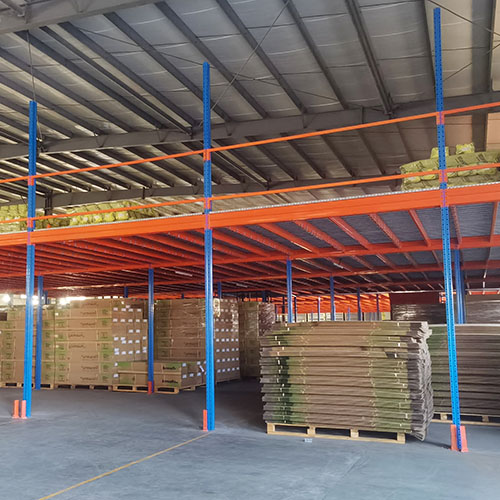
Specialize in heavy duty rack and mezzanine rack.
Heavy-Duty Racks: The Backbone of Efficient Industrial Warehousing
In the fast-paced world of industrial logistics and warehousing, maximizing space utilization, ensuring operational efficiency,
and safeguarding valuable inventory are top priorities. Among the various storage solutions available, heavy-duty racks stand
out as indispensable assets, designed to handle the most demanding storage needs of manufacturing facilities, distribution centers,
and large-scale warehouses. This article delves into the key features, benefits, applications, and selection criteria of heavy-duty racks,
helping businesses make informed decisions to optimize their storage systems.
What Are Heavy-Duty Racks?
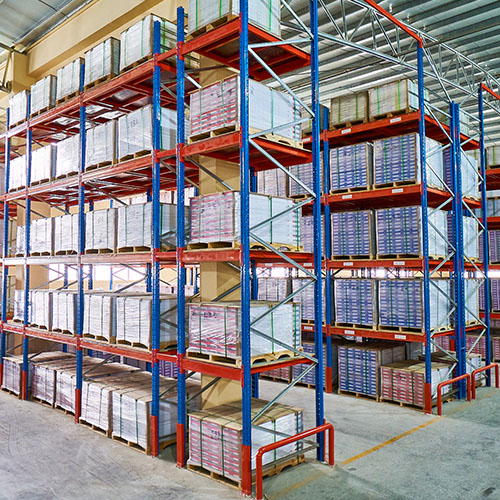
Heavy-duty racks are robust storage structures engineered to support extremely heavy loads—typically ranging from 1,000 kg to 5,000 kg
per shelf or more, depending on the design and material. Unlike light or medium-duty racks used for small parts or consumer goods,
heavy-duty racks are constructed with high-grade steel, reinforced beams, and stable upright frames to withstand the weight of bulky items,
pallets of raw materials, large machinery components, and industrial equipment. Their modular design allows for customization,
making them adaptable to different warehouse layouts and storage requirements.
Key Features of High-Quality Heavy-Duty Racks
The performance and reliability of heavy-duty racks hinge on several core features that set them apart from standard storage solutions:
Durable Construction: Made from high-tensile steel, heavy-duty racks offer exceptional strength and resistance to wear, corrosion,
and impact. Many are treated with galvanization or powder coating to enhance durability in harsh industrial environments,
such as those with high humidity or chemical exposure.
High Load-Bearing Capacity: Designed with thickened uprights, reinforced crossbeams, and secure locking mechanisms,
these racks can safely support heavy pallets and oversized items without bending or collapsing. Advanced designs,
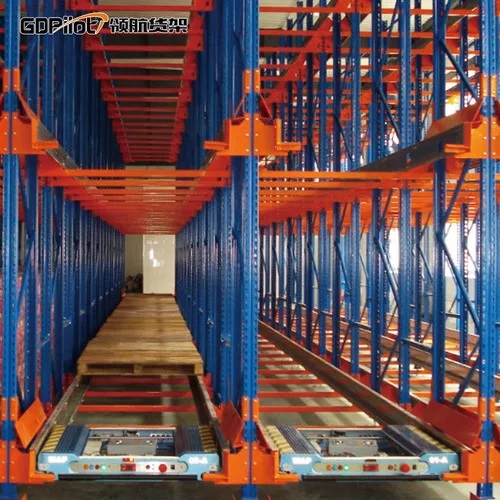
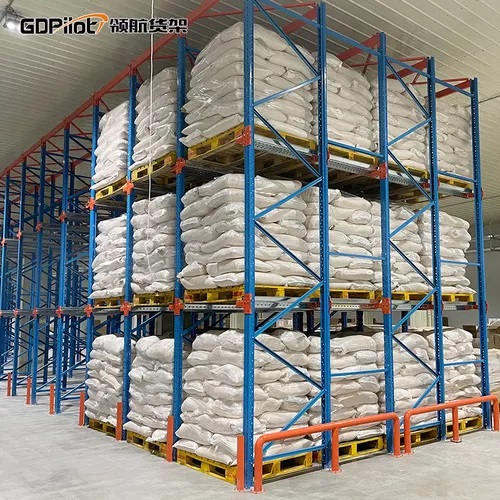
such as beam-rack systems or drive-in racks, can even accommodate concentrated loads for irregularly shaped goods.
Modular & Customizable Design: Heavy-duty racks feature a modular structure that allows for easy assembly, disassembly,
and reconfiguration. Businesses can adjust shelf heights, add or remove levels, or extend the length of the racking system
to adapt to changing inventory needs. Customization options also include specialized attachments, such as safety rails,
wire mesh decks, or pallet stops, to enhance safety and functionality.
Safety Enhancements: Safety is a critical consideration in industrial warehousing, and heavy-duty racks are equipped
with multiple safety features. These include anti-slip surfaces, locking pins to secure beams to uprights,
load capacity labels for easy reference, and earthquake-resistant designs in high-risk areas.
Some advanced models also integrate sensors or monitoring systems to detect overloading or structural damage.
Space Optimization: By utilizing vertical space effectively, heavy-duty racks help warehouses reduce floor space usage
and increase storage density. Taller racking systems, when paired with forklifts or automated retrieval systems,
allow businesses to store more inventory in the same footprint, reducing the need for expensive warehouse expansions.
Benefits of Implementing Heavy-Duty Racks in Warehouses
Investing in heavy-duty racks offers numerous operational and financial benefits for industrial businesses:
1.Improved Operational Efficiency: Heavy-duty racks organize inventory in a systematic manner, making it easier for forklift
operators and warehouse staff to locate, access, and retrieve goods quickly. This reduces picking and loading times,
streamlines workflow, and increases overall productivity.
2.Cost Savings: By maximizing vertical storage space, businesses can avoid the high costs associated with expanding warehouse facilities.
Additionally, the durable construction of heavy-duty racks minimizes maintenance and replacement costs,
providing a long-term return on investment (ROI).
3.Enhanced Inventory Protection: Properly designed heavy-duty racks keep inventory off the floor, protecting it from moisture,
dust, and damage caused by forklift traffic or accidental impacts. Secure storage also reduces the risk of product loss or damage,
ensuring that valuable goods remain in optimal condition.
4.Flexibility & Scalability: As businesses grow and their inventory needs change, heavy-duty racks can be easily expanded
or reconfigured to accommodate new products, larger loads, or different warehouse layouts.
This scalability makes them a versatile solution for long-term storage needs.
5.Compliance with Industry Standards: High-quality heavy-duty racks are designed and manufactured in compliance
with international safety standards, such as those set by the Occupational Safety and Health Administration (OSHA)
or the European Standards (EN). This ensures that warehouses meet regulatory requirements and
maintain a safe working environment for employees.
Common Applications of Heavy-Duty Racks
Heavy-duty racks are widely used across various industries that require storage for heavy or bulky items.
Some of the most common applications include:
Manufacturing Facilities: Storage of raw materials (such as steel coils, aluminum sheets, or plastic pellets),
work-in-progress (WIP) components, and finished products (such as machinery, automotive parts, or industrial equipment).
Distribution Centers: Handling large volumes of palletized goods, including consumer electronics,
household appliances, building materials, and food and beverage products (in temperature-controlled environments).
Automotive Industry: Storage of car parts, engines, tires, and other heavy components
used in vehicle manufacturing and maintenance.
Construction Industry: Storage of building materials, such as steel beams, concrete blocks, pipes, and lumber,
which are often heavy and require secure, space-efficient storage.
Cold Storage Warehouses: Heavy-duty racks designed for low-temperature environments,
used to store frozen or refrigerated goods in bulk, such as meat, seafood, and dairy products.
How to Choose the Right Heavy-Duty Racks for Your Business
Selecting the appropriate heavy-duty racks requires careful consideration of your specific storage needs,
warehouse layout, and operational requirements. Here are key factors to keep in mind:
6.Load Requirements: Determine the maximum weight of the items you need to store,
as well as the size and shape of the pallets or goods.
This will help you choose a rack system with the appropriate load-bearing capacity and shelf dimensions.
7.Warehouse Layout & Space: Evaluate the available floor space, ceiling height, and aisle width of your warehouse.
Taller racking systems are ideal for warehouses with high ceilings, while narrow-aisle racks can help maximize space
utilization in smaller facilities. Consider the type of material handling equipment you use (e.g., standard forklifts, reach trucks)
to ensure that the racking system is compatible with your operations.
8.Inventory Turnover: For fast-moving inventory, choose rack systems that allow for easy access, such as selective pallet racks.
For slow-moving or bulk inventory, drive-in or push-back racks may be more efficient,
as they maximize storage density by reducing aisle space.
9.Environmental Conditions: If your warehouse is exposed to moisture, chemicals, or extreme temperatures,
select heavy-duty racks with corrosion-resistant finishes, such as galvanization or epoxy coating. For cold storage applications,
ensure that the racks are designed to withstand low temperatures without compromising structural integrity.
10.Safety & Compliance: Choose racks that meet relevant industry safety standards and are certified by reputable organizations.
Look for features such as load capacity labels, secure locking mechanisms, and earthquake-resistant
designs to ensure the safety of your employees and inventory.
11.Supplier Reliability: Partner with a trusted supplier that offers high-quality products, customization options, and after-sales support.
A reliable supplier can help you design a racking system tailored to your needs, provide professional installation services,
and offer maintenance and repair support to ensure the long-term performance of your racks.
Conclusion
Heavy-duty racks are a cornerstone of efficient industrial warehousing, offering unparalleled strength, flexibility,
and space optimization for heavy and bulky inventory. By investing in high-quality heavy-duty racks,
businesses can improve operational efficiency, reduce costs, enhance inventory protection, and scale their storage systems to meet
growing demands. When selecting heavy-duty racks, it’s essential to consider your specific load requirements, warehouse layout,
environmental conditions, and safety compliance needs to choose a solution that aligns with your business goals.
With the right heavy-duty racking system in place, you can transform your warehouse into a streamlined, productive,
and safe operation that drives business success.Ready to upgrade your warehouse storage with heavy-duty racks?
Contact our team of experts today to learn more about our customizable solutions and find the perfect racking system for your business.