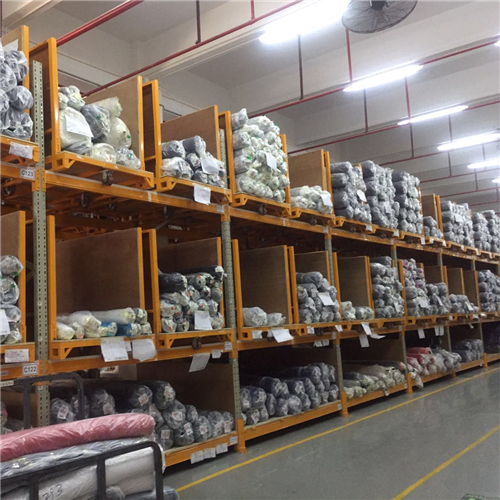
16 years of experience in the warehousing equipment industry
A comprehensive enterprise integrating research and development, production, sales, and installation


WE MAKE RACKING PROFESSIONAL
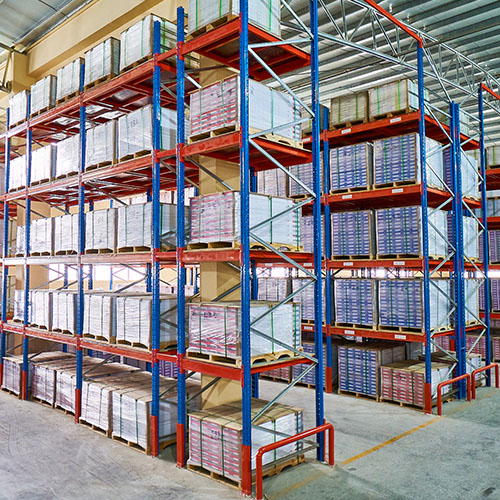
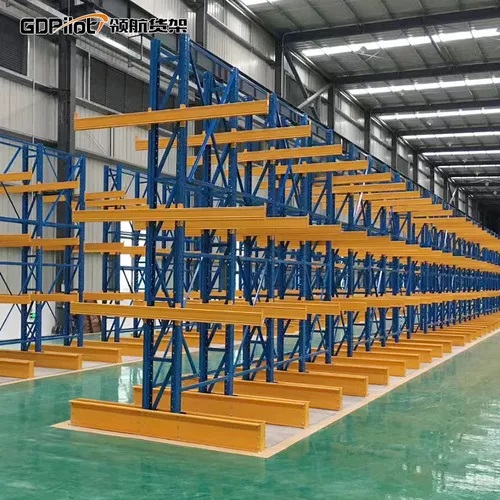
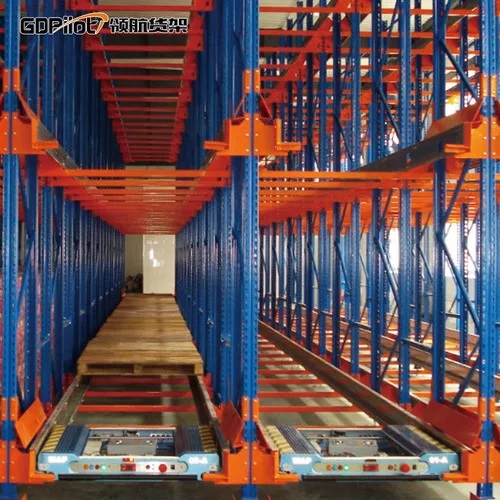
Specialize in heavy duty rack and mezzanine rack.
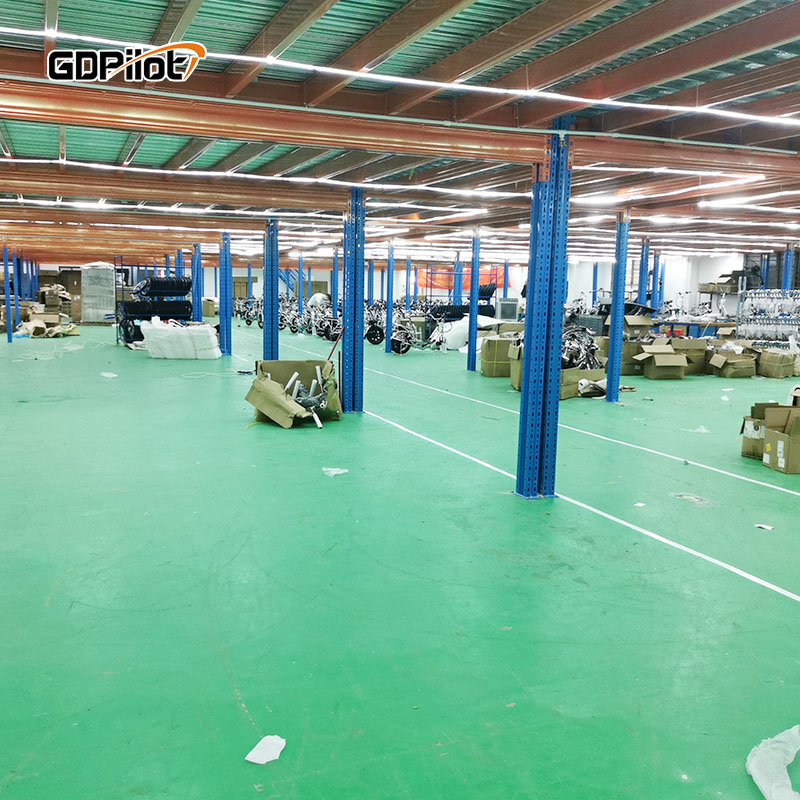
Mezzanine Racking: Maximize Your Warehouse Space Efficiently
What Is Mezzanine Racking?
Derived from the Italian word "mezzano" meaning "middle", mezzanine racking refers to a raised platform system installed within existing buildings to create an additional functional level. Unlike permanent construction, it is a semi-permanent, modular structure that integrates seamlessly with existing pallet racking or shelving systems, eliminating the need for independent support columns and maximizing ground-level storage space underneath.
The core value of mezzanine racking lies in its ability to utilize the "cube space" of a facility—most warehouses only use 40-60% of their vertical height, leaving ample room for expansion. It can be customized according to the building’s height, load requirements, and workflow, serving not only as storage space but also as offices, picking stations, or light manufacturing areas.
Main Types of Mezzanine Racking
Mezzanine racking is categorized based on its support mechanism and application scenarios, with four main types to suit different business needs:
1. Structural Steel Mezzanines (Freestanding)
Supported by heavy-duty steel columns anchored to the floor slab, these are independent platforms that offer maximum versatility. They are designed to handle heavy loads (up to 1,000 kg/m² or more) and can be used for various purposes, including heavy storage, office spaces, and manufacturing operations. Their independent design means they do not rely on existing racking, making them suitable for facilities without pre-installed storage systems.
2. Rack-Supported Mezzanines
This type integrates directly with existing pallet racking uprights as the main support structure, creating a unified storage system. It is highly cost-effective, as it leverages existing infrastructure and maintains full access to ground-level racking. Ideal for warehouses with existing pallet racking, it is suitable for standard palletized storage and order-picking operations, with load capacities ranging from 300 kg/m² to 1,000 kg/m².
3. Shelf-Supported Mezzanines
Built on top of industrial shelving systems, these mezzanines are perfect for light to medium storage needs, such as small parts, accessories, or retail inventory. They are easy to assemble and reconfigure, making them suitable for businesses with changing storage requirements, such as e-commerce hubs or automotive parts warehouses.
4. Catwalk Mezzanines
Also known as pick face racking, these are elevated walkways between racks, designed for quick access to stored items without the need for forklifts. They are ideal for distribution centers and retail warehouses that require frequent order picking, with narrow aisles to maximize storage density and safety features like built-in staircases.
Core Advantages of Mezzanine Racking
Mezzanine racking has become a preferred storage solution for businesses worldwide, thanks to its numerous advantages that address key warehouse challenges:
1. Maximize Vertical Space, Minimize Footprint
The most significant advantage is its ability to increase usable floor space by 50% to 100% without expanding the building’s footprint. By utilizing vertical height, it eliminates the need for costly relocation or construction, helping businesses make the most of their existing facility.
2. Cost-Effective Expansion
Compared to building extensions or moving to a larger warehouse, mezzanine racking is a fraction of the cost, with a typical return on investment (ROI) achieved within 12 to 24 months. Its modular design also reduces installation time (2 to 6 weeks for most systems) and minimizes operational disruption during setup.
3. Flexible and Customizable
Mezzanine racking is fully modular, meaning it can be reconfigured, expanded, or relocated as your business grows and storage needs change. It can be customized with accessories like guardrails, staircases, pallet gates, conveyors, and lighting to fit specific workflow requirements.
4. Safe and Compliant
Engineered to meet international safety standards (such as IBC in the U.S.), mezzanine racking includes safety features like handrails, non-slip decking, and secure staircases to protect employees and inventory. It also complies with local building permits and load capacity regulations, ensuring a safe working environment.
5. Multifunctional Utility
Beyond storage, mezzanine racking can be used as office space, picking stations, packaging areas, or even light manufacturing zones, creating a more organized and efficient workflow. This versatility helps businesses optimize their entire facility, not just storage space.
Wide Applications of Mezzanine Racking
Mezzanine racking is widely used across various industries, thanks to its flexibility and adaptability. Some common applications include:
Warehousing & Logistics: For bulk storage, palletized goods, and order-picking operations, helping logistics companies handle increasing inventory volumes efficiently.
Manufacturing: As storage for raw materials, finished products, or as elevated workstations and assembly lines, optimizing factory space and workflow.
E-Commerce: Ideal for high-density storage and order fulfillment, with catwalk or rack-supported mezzanines enabling quick access to small parts and packages.
Retail: For back-of-house storage in stores or retail warehouses, storing excess inventory, seasonal goods, and packaging materials without占用 sales floor space.
Cold Storage & Food Industry: Customized with corrosion-resistant materials to withstand low temperatures, used for storing food products and cold-chain inventory.
Automotive: For storing auto parts, tools, and accessories, with shelf-supported or catwalk mezzanines enabling organized and quick access.
Key Considerations for Selecting Mezzanine Racking
To choose the right mezzanine racking system for your business, consider the following critical factors:
1. Load Capacity Requirements
Determine the live load (weight of goods, equipment, and people) your mezzanine will need to support, measured in kg/m² or psf. Light storage (e.g., small parts) requires 250-300 kg/m², while heavy industrial storage may need over 1,000 kg/m². Always specify a load capacity that exceeds your maximum usage scenario to ensure safety.
2. Building Dimensions & Ceiling Height
Measure your facility’s ceiling height, floor space, and column placement to determine the size and type of mezzanine feasible. A minimum ceiling height of 4.5m is recommended for a single mezzanine level, with 5-8m being optimal for maximum space utilization.
3. Intended Use
Clarify whether the mezzanine will be used for storage, offices, picking, or manufacturing—this will determine the type, load capacity, and accessories needed. For example, office spaces require 75-100 psf (366-488 kg/m²) and comfortable deflection limits, while picking stations need narrow aisles and easy access stairs.
4. Safety & Compliance
Ensure the system complies with local building codes and safety standards, including guardrail height (minimum 1.2m), stair slope (≤45°), and non-slip decking. Verify building permits and consult a professional engineer to assess structural compatibility with your facility.
5. Supplier Reliability
Choose a reputable supplier with experience in designing and installing mezzanine racking, who can provide customized solutions, professional installation, and after-sales support (e.g., maintenance, reconfiguration). This ensures the system is durable, safe, and tailored to your needs.