16 years of experience in the warehousing equipment industry
A comprehensive enterprise integrating research and development, production, sales, and installation


WE MAKE RACKING PROFESSIONAL
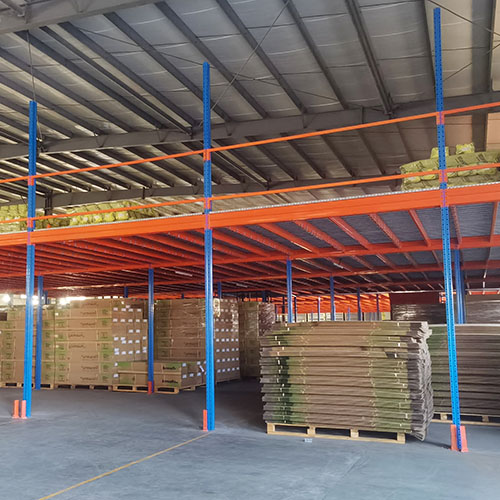
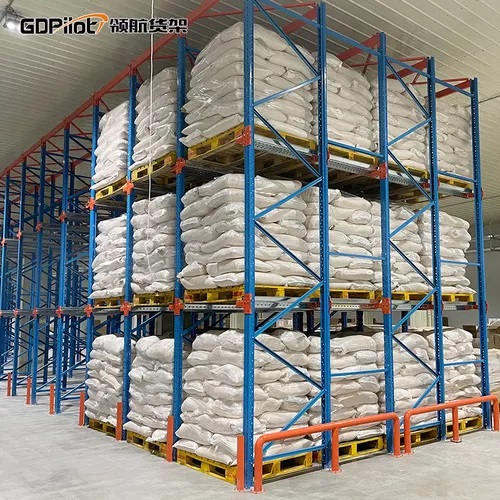
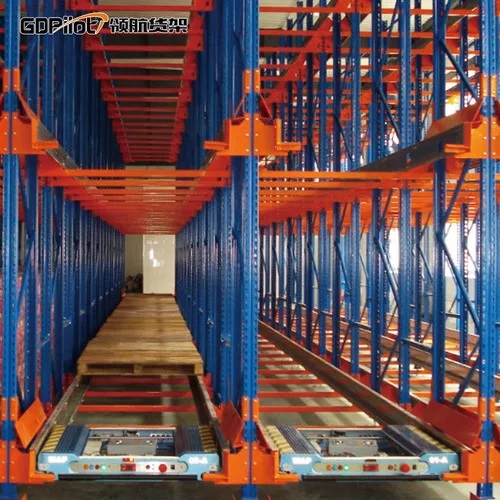
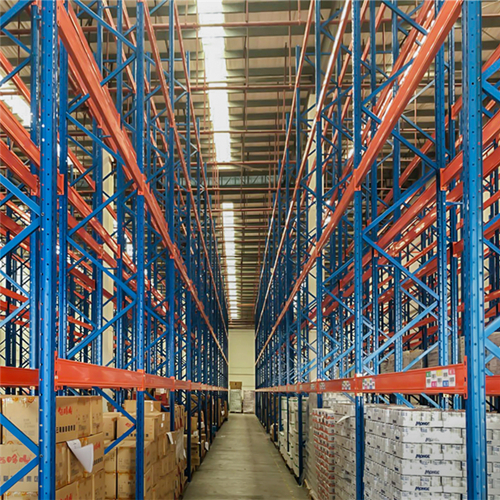
Specialize in heavy duty rack and mezzanine rack.
Top Benefits of Heavy-Duty Racking: Upgrade Your Warehouse Operational Value
Optimize Vertical Space and Expand Storage Capacity Without Expansion
Most traditional warehouses rely on floor stacking, which severely wastes vertical space and limits storage scalability. Heavy-duty racking is designed for high-bay warehouse layout, supporting multi-layer three-dimensional storage. It makes full use of the vertical height of the warehouse, converting idle upper space into effective storage areas. Compared with flat ground storage, heavy-duty rack systems can increase warehouse storage capacity by 50% to 80% without expanding the factory building or renting new warehouses. This is the most efficient way to solve inventory backlog and insufficient storage space for growing enterprises.
Stable High-Load Storage to Protect Cargo Quality
Industrial goods such as mechanical parts, hardware materials, chemical raw materials, and finished palletized products are heavy and bulky. Random stacking often causes extrusion deformation, surface damage, and even batch scrapping of goods. Heavy-duty racking is constructed with thickened high-strength steel and reinforced structural beams, with stable and uniform load-bearing performance. Each layer bears weight evenly without local pressure concentration, effectively protecting palletized goods from extrusion damage. It perfectly solves the pain points of cargo loss and quality problems caused by irregular stacking.
Streamline Workflows and Boost Overall Warehouse Productivity
Disordered warehouse layouts lead to repeated walking, blind searching, and low picking efficiency, seriously restricting warehouse turnover speed. Heavy-duty selective racking adopts an open independent cargo position design, enabling full direct access to all pallets. Forklift operators and warehouse staff can complete inbound, outbound, sorting, and inventory operations in fixed areas, forming a standardized and efficient workflow. It greatly reduces invalid working hours, accelerates inventory turnover, and effectively improves the overall operational efficiency of the supply chain.
Realize Standardized Warehouse Management
A good warehouse management system starts with standardized storage. Heavy-duty racking divides the warehouse into neat and unified storage areas and fixed cargo positions. Each batch of goods corresponds to an independent storage unit, which is convenient for unified classification, marking, and management. Warehouse managers can quickly count inventory, check cargo information, and arrange material scheduling. This standardized storage mode completely changes the chaotic state of traditional warehouses, facilitates digital warehouse management docking, and lays a foundation for intelligent warehouse upgrading.
Strong Impact Resistance and Excellent Durability
Warehouses with frequent forklift operations are prone to accidental collisions with storage equipment. Ordinary light and medium shelves are easily deformed and damaged after impact, affecting normal use. Heavy-duty industrial racking features a thickened overall structure and reinforced connection parts, with strong anti-collision and anti-shock capabilities. Matched with professional column protectors and anti-collision accessories, it can withstand frequent mechanical operation impact. With anti-rust, anti-corrosion, and wear-resistant surface treatment, it adapts to harsh industrial environments and maintains stable performance for more than 15 years.
Significantly Reduce Comprehensive Warehouse Operating Costs
Investing in heavy-duty racking brings long-term cost savings for enterprises. First, it saves high warehouse rental fees by improving space utilization. Second, standardized storage reduces cargo damage and loss rates, saving material replacement costs. Third, efficient picking and inventory management reduce labor input and time costs. In addition, its durable and maintenance-free characteristics reduce equipment replacement and maintenance expenses. For long-term warehouse operation, heavy-duty racking is a high-return and low-consumption infrastructure investment.
Improve Workplace Safety and Avoid Operational Risks
Over-height stacking and irregular cargo placement are the main causes of warehouse collapse, falling objects, and safety accidents. Heavy-duty racking is strictly designed and tested according to industrial safety standards, with scientific load limit design and stable structural support. It avoids safety hazards such as structural collapse and cargo slipping caused by overloading and irregular stacking. Complete safety accessories further prevent forklift collision damage and personnel injury risks, creating a safe, orderly, and standardized working environment for warehouse employees.
High Flexibility and Compatibility for Future Growth
Enterprise business and inventory types are always changing. Heavy-duty pallet racking adopts a modular assembled structure with high flexibility. The beam height can be adjusted freely according to pallet height and inventory specifications. The overall layout can be disassembled, combined, and expanded at will to adapt to business growth, increased SKUs, and warehouse layout adjustments. It is highly compatible with forklifts, stackers, WMS systems, and other warehouse equipment, supporting subsequent warehouse automation and intelligent upgrading without repeated investment.
Final Conclusion
Heavy-duty racking is not only a simple storage equipment but also a core tool to improve warehouse operational value. It solves various pain points of traditional industrial storage, including space waste, cargo damage, low efficiency, and potential safety hazards. By realizing high-density storage, standardized management, efficient operation, and safe production, heavy-duty racking effectively reduces comprehensive costs and empowers the long-term stable development of enterprise warehousing and logistics business.