16 years of experience in the warehousing equipment industry
A comprehensive enterprise integrating research and development, production, sales, and installation


WE MAKE RACKING PROFESSIONAL
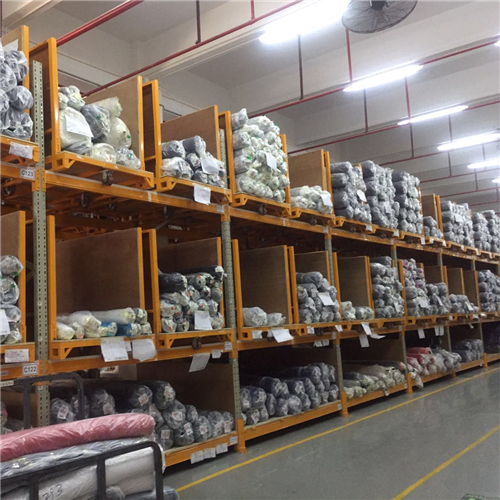
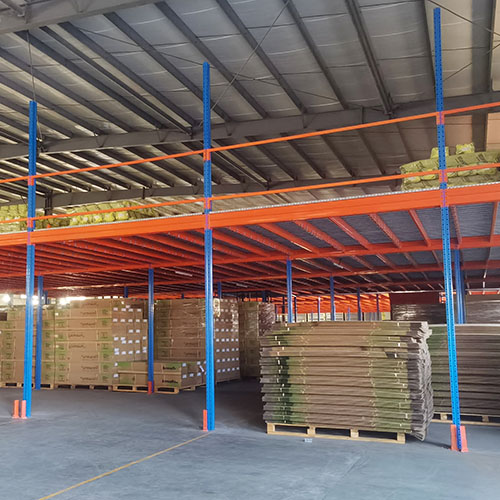
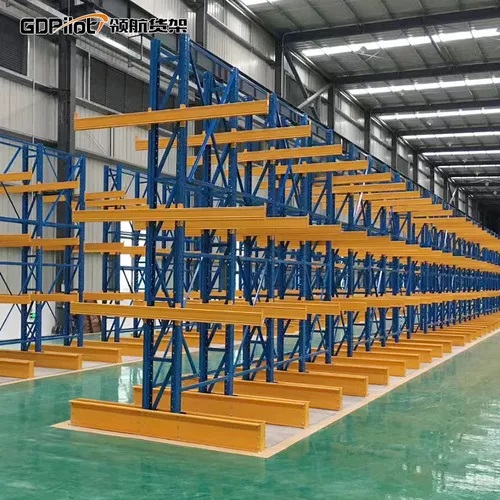
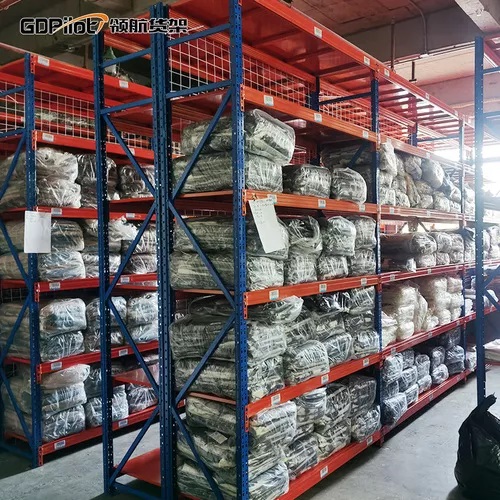
Specialize in heavy duty rack and mezzanine rack.
Drive-In Racking System: The Ultimate Solution for High-Density Storage
Key Features of Drive-In Racking
1. Maximized Space UtilizationEliminates redundant working aisles, increasing warehouse storage capacity by up to 80% compared to conventional racking systems. 2. Forklift Access DesignBuilt with sturdy rails and support arms to accommodate forklift entry, ensuring smooth and stable pallet storage and retrieval.
3. High Structural DurabilityManufactured from high-strength steel with powder-coated surface treatment, offering wear resistance, corrosion protection, and long service life.
4. Simplified Inventory ManagementSuitable for bulk goods with consistent SKUs, enabling fast batch storage and streamlined warehouse operations.
5. Flexible ConfigurationAvailable in drive-in (LIFO) and drive-through (FIFO) modes to match different inventory rotation requirements.
Core Advantages
• Cost-Effective: Reduces warehouse construction costs and land use by maximizing vertical and horizontal storage space. • Efficient Operations: Streamlines pallet handling processes and improves overall warehousing efficiency.
• Wide Applicability: Perfect for non-perishable, bulk, and standardized products such as raw materials, canned goods, chemicals, and packaged products.
• Stable & Safe: Equipped with anti-collision components and reinforced load-bearing structures to ensure operational safety.
Ideal Applications
• Cold storage warehouses
• Food and beverage distribution centers
• Bulk commodity storage
• Manufacturing raw material warehouses
• E-commerce and third-party logistics (3PL) warehouses with high-volume inventory
Conclusion
Drive-in racking is a high-performance storage system that combines space efficiency, durability, and operational flexibility. For enterprises seeking to upgrade their warehousing capacity and reduce long-term storage costs, it represents a reliable and future-proof solution. With customizable designs and strong adaptability, drive-in racking continues to be a top choice for modern high-density storage facilities.