16 years of experience in the warehousing equipment industry
A comprehensive enterprise integrating research and development, production, sales, and installation


WE MAKE RACKING PROFESSIONAL
Specialize in heavy duty rack and mezzanine rack.
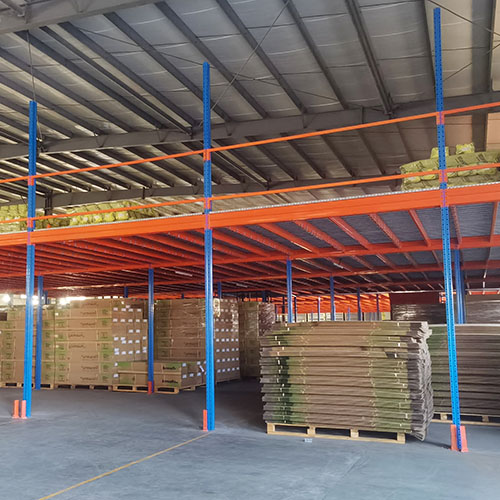
Mezzanine Shelving: Safety as a Core Design, Protecting Your Workspace Every Day
The Hidden Risks of Unsafe Elevated Storage (And How Mezzanines Solve Them)
Many businesses turn to quick-fix elevated storage solutions—stacked pallets, unstable wooden lofts, or untested platforms—without realizing the hidden dangers. These makeshift setups often lack structural integrity, proper safety barriers, and load capacity controls, leading to a host of risks: falls from height, structural collapse, inventory damage, and even employee injuries. Worse, they frequently fail to meet regulatory standards, exposing businesses to fines and legal liability.
Mezzanine shelving eliminates these risks by addressing the root causes of unsafe elevated spaces. Every component, from the frame to the flooring, is engineered to meet strict safety standards, and every feature is designed to prevent common hazards. Whether you’re storing heavy pallets, housing workstations, or creating additional office space, a quality mezzanine ensures that safety is never compromised—allowing you to focus on your operations without worrying about preventable accidents.
Safety-by-Design: How Mezzanine Shelving Keeps You Protected
The safest mezzanines aren’t just “safe enough”—they’re built with safety as a core design principle. This means every decision, from material selection to component placement, is made with the goal of minimizing risk. Below are the key design elements that make mezzanine shelving the safest elevated solution available:
1. Load Capacity Testing & Clear Labeling
Overloading is one of the most common causes of mezzanine failure, which is why quality systems undergo rigorous load capacity testing before installation. Each mezzanine is rated for a specific maximum load (measured in pounds per square foot), and this rating is clearly labeled on the structure—ensuring employees never exceed safe weight limits. Manufacturers also build in a safety buffer (often 50% above the rated load) to account for unexpected weight, such as heavy equipment or stacked inventory, adding an extra layer of protection.
Additionally, mezzanines are designed to distribute weight evenly across the platform, preventing stress points that could lead to structural damage. This even distribution ensures the system remains stable, even when loaded with uneven or heavy items.
2. Reinforced Guardrails & Fall Prevention
Falls from elevated platforms are a top workplace safety concern, which is why mezzanine shelving comes equipped with reinforced guardrails as a standard feature. These guardrails are constructed from heavy-duty steel, standing at least 42 inches high (in compliance with OSHA standards) to prevent accidental falls. Unlike flimsy or makeshift barriers, mezzanine guardrails are bolted securely to the frame, able to withstand impact and prevent employees or items from slipping over the edge.
For added protection, many mezzanines include kick plates (typically 4-6 inches high) along the base of the guardrails. These kick plates prevent small items, tools, or debris from falling off the mezzanine, protecting employees working below and reducing the risk of tripping on the platform.
3. Safe, Accessible Entry & Exit Points
Safe access to the mezzanine is just as important as the platform itself. Mezzanines are equipped with well-designed stairs that feature consistent treads, non-slip surfaces, and handrails on both sides—ensuring employees can move up and down safely, even when carrying tools or inventory. Stairs are also positioned to avoid congestion, with wide enough pathways to accommodate multiple employees at once.
For facilities with heavy loads or employees with mobility needs, elevators or hydraulic lifts can be integrated into the mezzanine system. These access points are designed to handle heavy weights safely, reducing the risk of injury from lifting or carrying items up stairs.
4. Durable, Slip-Resistant Flooring
Slips and trips are a common workplace hazard, especially on elevated platforms where surfaces can become wet, dusty, or oily. Mezzanine shelving features slip-resistant flooring options—such as textured steel grating, rubber mats, or coated concrete—that provide superior traction, even in harsh conditions. This flooring is also durable and easy to clean, ensuring it remains safe and functional over time.
Grated flooring is a popular choice for warehouses and industrial facilities, as it allows for air circulation, light penetration, and easy cleaning—reducing the buildup of dust, debris, or moisture that could cause slips.
5. Compliance with Global Safety Standards
A safe mezzanine is a compliant mezzanine. Reputable manufacturers design their systems to meet or exceed global safety standards, including OSHA (U.S.), EU-OSHA (Europe), and local building codes. This compliance ensures that the mezzanine meets strict requirements for structural integrity, guardrail height, load capacity, and fire safety—protecting your business from fines and legal liability.
Many mezzanines also undergo third-party testing and certification, verifying their safety and compliance. This independent validation provides peace of mind that your mezzanine is built to the highest safety standards.
Daily Safety: Maintaining a Secure Mezzanine Environment
While mezzanine shelving is designed for safety, proper maintenance and daily practices are essential to keeping it secure. Here are simple steps to ensure your mezzanine remains safe for years to come:
Regular Inspections: Conduct monthly inspections to check for loose bolts, damaged guardrails, or signs of structural wear. Address any issues immediately to prevent further damage.
Train Employees: Ensure all employees are trained on mezzanine safety, including load limits, proper access procedures, and fall prevention. Regular refresher training helps reinforce safe habits.
Keep Pathways Clear: Avoid cluttering the mezzanine with unused items, tools, or inventory. Clear pathways reduce the risk of tripping and ensure emergency exits are accessible.
Clean Regularly: Keep the mezzanine flooring clean and free of debris, moisture, or oil to maintain traction and prevent slips.
Why Safe Mezzanine Shelving Is a Smart Business Investment
Investing in a safe mezzanine shelving system isn’t just about compliance—it’s about protecting your business’s most valuable assets. Here’s how safety translates to tangible benefits:
Reduced Accidents & Costs: A safe mezzanine minimizes workplace injuries, lowering workers’ compensation claims, downtime, and legal costs.
Improved Productivity: When employees feel safe, they’re more focused and efficient. A secure environment eliminates distractions and allows teams to work confidently.
Enhanced Reputation: A commitment to safety shows customers, employees, and regulators that your business is responsible and trustworthy—boosting your brand reputation.
Long-Term Durability: Safety-focused mezzanines are built to last, reducing the need for costly repairs or replacements and providing a high return on investment.
Conclusion: Safety That Grows With Your Business
Mezzanine shelving is more than a space-saving solution—it’s a safety-focused investment that protects your employees, inventory, and business. By choosing a mezzanine designed with safety as a core principle, you’re not just adding usable space; you’re creating a workplace that is secure, compliant, and productive. Whether you’re expanding your storage capacity, adding workstations, or creating additional office space, a safe mezzanine ensures that growth never comes at the cost of safety.
When it comes to elevated storage, don’t settle for unsafe, makeshift solutions. Choose mezzanine shelving—where safety is built in, compliance is guaranteed, and your team’s well-being is always a top priority.