16 years of experience in the warehousing equipment industry
A comprehensive enterprise integrating research and development, production, sales, and installation


WE MAKE RACKING PROFESSIONAL
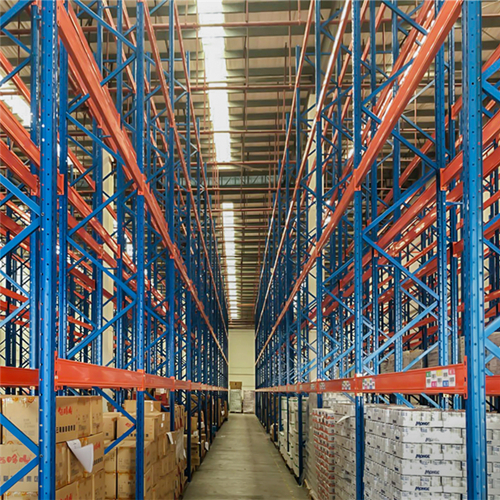
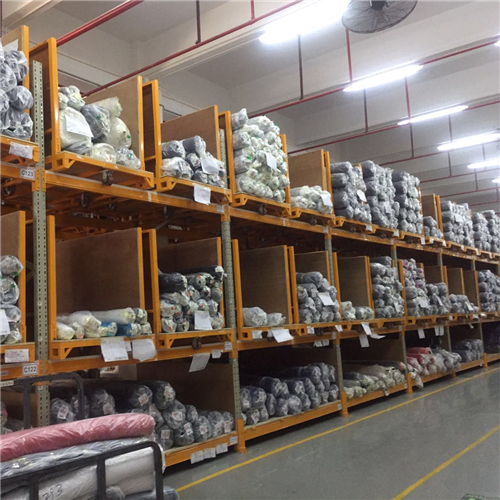
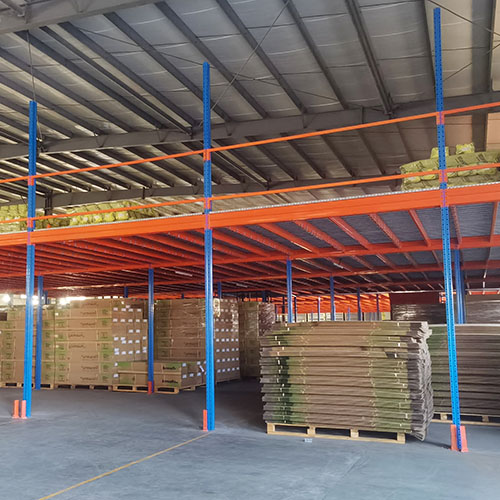
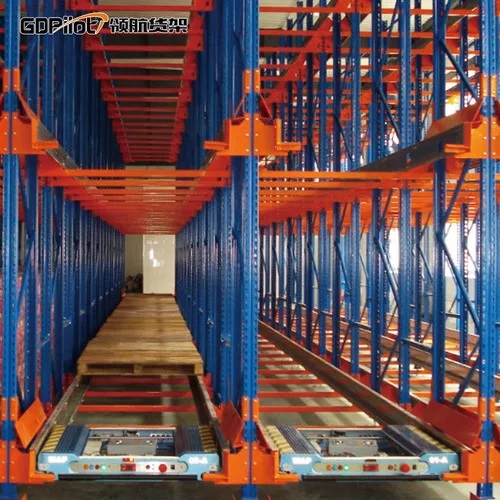
Specialize in heavy duty rack and mezzanine rack.
Mezzanine Shelving: The Ultimate Solution for Space Optimization & Business Growth
In the world of warehousing, retail, and industrial operations, space is more than just a commodity—it’s a driver of efficiency,
productivity, and profitability. As businesses expand, inventory grows, and operational needs evolve, the challenge of making
the most of available space becomes increasingly critical. Enter mezzanine shelving: a versatile, scalable, and cost-effective solution
that unlocks the potential of vertical space, transforming underutilized areas into high-functioning zones. Whether you’re
a small business owner struggling with storage constraints or a large enterprise looking to streamline workflows,
mezzanine shelving offers a range of benefits that align with diverse operational goals.
What Is Mezzanine Shelving?
A mezzanine shelving system is an elevated platform structure, typically installed within existing buildings with high ceilings,
that creates an additional “floor” between the ground level and the ceiling. Unlike permanent building expansions,
mezzanines are semi-permanent or temporary structures that can be customized, reconfigured, or relocated as needed.
They are designed to support various loads—from light-duty storage of boxes and small items to heavy-duty applications
like industrial equipment or palletized inventory. Mezzanine shelving systems often integrate with other storage solutions,
such as racking, bins, or cabinets, to create a cohesive, organized space that maximizes both vertical and horizontal utility.
Constructed from durable materials like steel (the most common choice for industrial and warehouse use), aluminum,
or wood (for retail or office settings), mezzanines are engineered to meet strict safety standards and building codes.
They can be single-tier (creating one additional level) or multi-tier (adding two or more levels), depending on ceiling height
and operational needs, and are accessible via stairs, ladders, elevators, or conveyors for seamless integration into daily workflows.
Key Advantages of Mezzanine Shelving for Businesses
Mezzanine shelving isn’t just a space-saving tool—it’s a strategic investment that impacts multiple aspects of your business.
Below are the most impactful benefits that make it a preferred choice for businesses across industries:
1. Unlock Vertical Space: Do More with Your Existing Footprint
The biggest misconception in space management is focusing solely on horizontal expansion. Most commercial buildings
have ceilings ranging from 10 to 20 feet (or higher), yet only the first 8 feet or so are used for storage or operations.
Mezzanine shelving capitalizes on this untapped vertical space, effectively doubling or tripling your usable square footage without
expanding your building’s footprint. This means you can add storage, workspaces, or offices without purchasing new property,
renovating existing structures, or relocating—saving you time, money, and disruption.
For example, a warehouse with a 16-foot ceiling can install a single-tier mezzanine at 8 feet, creating an additional level for
slow-moving inventory, while keeping the ground floor free for fast-moving items and order fulfillment. This not only increases
storage capacity but also keeps the workspace organized and efficient.
2. Cost-Effective Alternative to Expansion or Relocation
Building expansions or relocations are expensive, time-consuming, and risky. Construction costs alone can run into
hundreds of thousands of dollars, not to mention permits, architectural fees, moving expenses, and lost productivity during downtime.
Mezzanine shelving, by contrast, offers a fraction of the cost—typically 30-50% less than a permanent addition
—with a much faster installation timeline (weeks instead of months).
Additionally, mezzanines are scalable. You can start with a small system and expand it as your business grows, avoiding
overinvestment in space you don’t yet need. Many mezzanine systems are also removable and reusable,
meaning you can take them with you if you relocate, further maximizing your return on investment (ROI).
3. Customizable to Fit Your Unique Operational Needs
No two businesses have the same space requirements, and mezzanine shelving is designed to adapt to this diversity.
Whether you need a dedicated area for inventory storage, a quiet office space above the warehouse floor,
a picking and packing station, or a production workspace, mezzanines can be tailored to your exact specifications.
Key customization options include:
Load Capacity: From light-duty (50-100 lbs per square foot) for boxes and small items to heavy-duty
(500+ lbs per square foot) for pallets, machinery, or industrial equipment.
Materials: Steel for durability and industrial use, aluminum for lightweight applications,
or wood for a more polished look in retail or office settings.
Configuration: Single-tier, multi-tier, L-shaped, U-shaped, or integrated with racking systems (e.g., pallet rack mezzanines).
Accessories: Stairs, handrails, guardrails, non-slip flooring, elevators, conveyors, and lighting to ensure safety and functionality.
4. Streamline Workflows & Boost Productivity
A disorganized space leads to inefficiency, wasted time, and frustrated employees. Mezzanine shelving helps you create dedicated z
ones for different operational tasks, separating storage from production, offices from warehouses, and slow-moving inventory
from fast-moving items. This segmentation streamlines workflows by reducing congestion, eliminating unnecessary movement,
and making it easier for employees to locate and access items quickly.
For instance, a retail store can use a mezzanine for inventory storage, keeping the ground floor free for customer displays and sales.
A manufacturing facility can install a mezzanine for administrative offices, allowing managers to oversee operations
while staying separate from the noise and activity of the production floor. By organizing space logically, mezzanines reduce downtime,
improve task efficiency, and boost overall productivity.
5. Enhance Workplace Safety & Compliance
Safety is a top priority for any business, and mezzanine shelving is engineered to meet rigorous safety standards
(including OSHA regulations in the U.S. and similar standards globally).
Unlike makeshift storage solutions—such as stacking pallets too high,
using unstable platforms, or blocking fire exits—mezzanines provide a safe, stable surface for storage, work, and foot traffic.
Key safety features of quality mezzanine systems include guardrails (required for all elevated edges), handrails, non-slip flooring,
emergency exits, and load-bearing labels to prevent overloading. These features not only protect employees from falls, injuries,
and accidents but also ensure your business complies with regulatory requirements, reducing liability risk and potential fines.
Who Can Benefit from Mezzanine Shelving?
Mezzanine shelving is not limited to warehouses—its versatility makes it suitable for a wide range of industries and applications.
Here are some of the most common users:
Warehousing & Logistics: For inventory storage, pallet rack integration, picking/packing stations, and cross-docking operations.
Retail: For back-of-house storage, customer seating areas, fitting rooms, or additional display space.
Manufacturing: For production workstations, equipment storage, quality control areas, and administrative offices.
Healthcare: For medical supply storage, laboratory spaces, or administrative offices in hospitals and clinics.
Automotive: For parts storage, repair workstations, and tool organization in garages and auto dealerships.
Small Businesses: For home offices, workshops, or small warehouses looking to maximize limited space without expansion.
Choosing the Right Mezzanine Shelving System
To get the most out of your mezzanine shelving, it’s important to choose a system that aligns with your specific needs.
Here are some key factors to consider:
Ceiling Height: Ensure your building has enough vertical clearance (typically at least 10 feet for a single-tier mezzanine).
Load Requirements: Calculate the weight of the items you’ll store or the equipment
you’ll use on the mezzanine to determine the required load capacity.
Available Space: Measure your floor space to determine the size and configuration of the mezzanine (e.g., rectangular, L-shaped).
Access Needs: Decide how employees will access the mezzanine (stairs, elevator, conveyor)
and ensure it integrates with your existing workflow.
Safety & Compliance: Choose a system that meets local building codes and OSHA (or relevant) safety standards.
Conclusion: Elevate Your Business with Mezzanine Shelving
In a competitive business landscape, optimizing space isn’t just a luxury—it’s a necessity. Mezzanine shelving offers a smart,
cost-effective way to unlock vertical space, streamline workflows, enhance safety, and support business growth without
the hassle of expansion or relocation. Its versatility, customization options, and long-term ROI make
it a valuable investment for businesses of all sizes and industries.
Whether you’re struggling with storage constraints, looking to improve productivity, or planning for future growth,
mezzanine shelving can help you achieve your goals. By transforming underutilized vertical space into functional, organized zones,
you’re not just saving space—you’re investing in the long-term success of your business.